PTA548 CANOPEE HUG Genève
Year
2026
Category
Large
Status
1° prix competition
Location
Genève
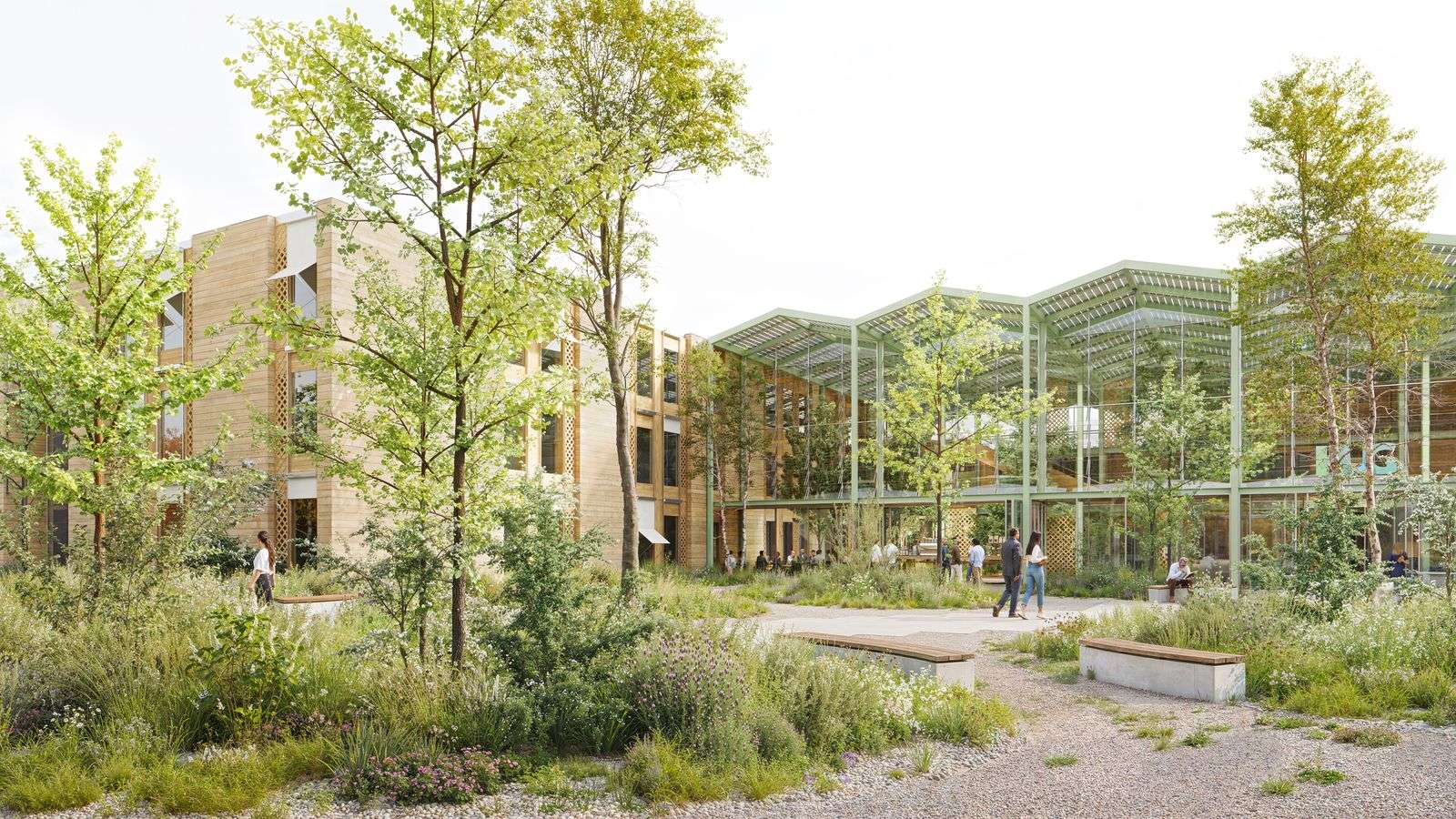
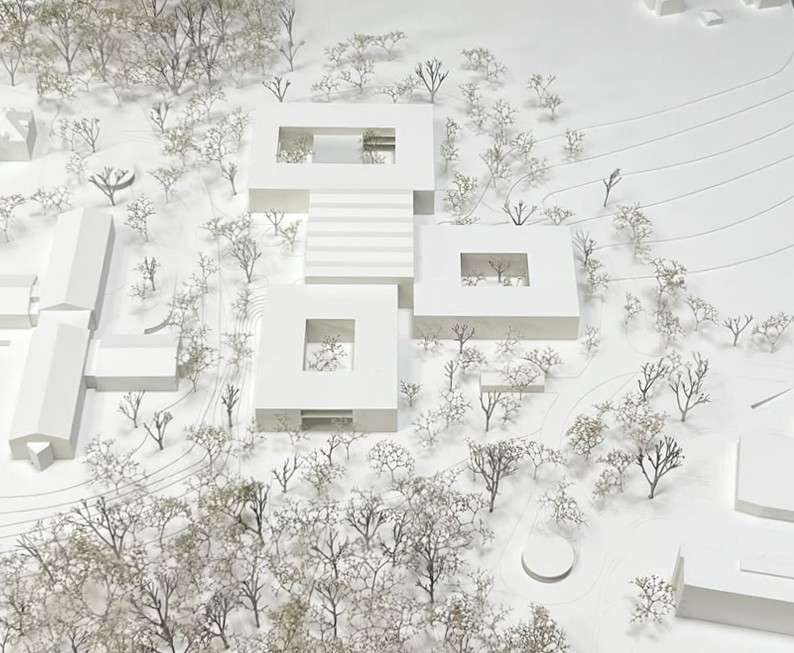
The Canopée project concerns the new university psychiatric hospital in Geneva. It is being developed in collaboration with ffbk architekten, based in Basel. The project proposes a care architecture on a human scale, where clarity, safety and softness come together.
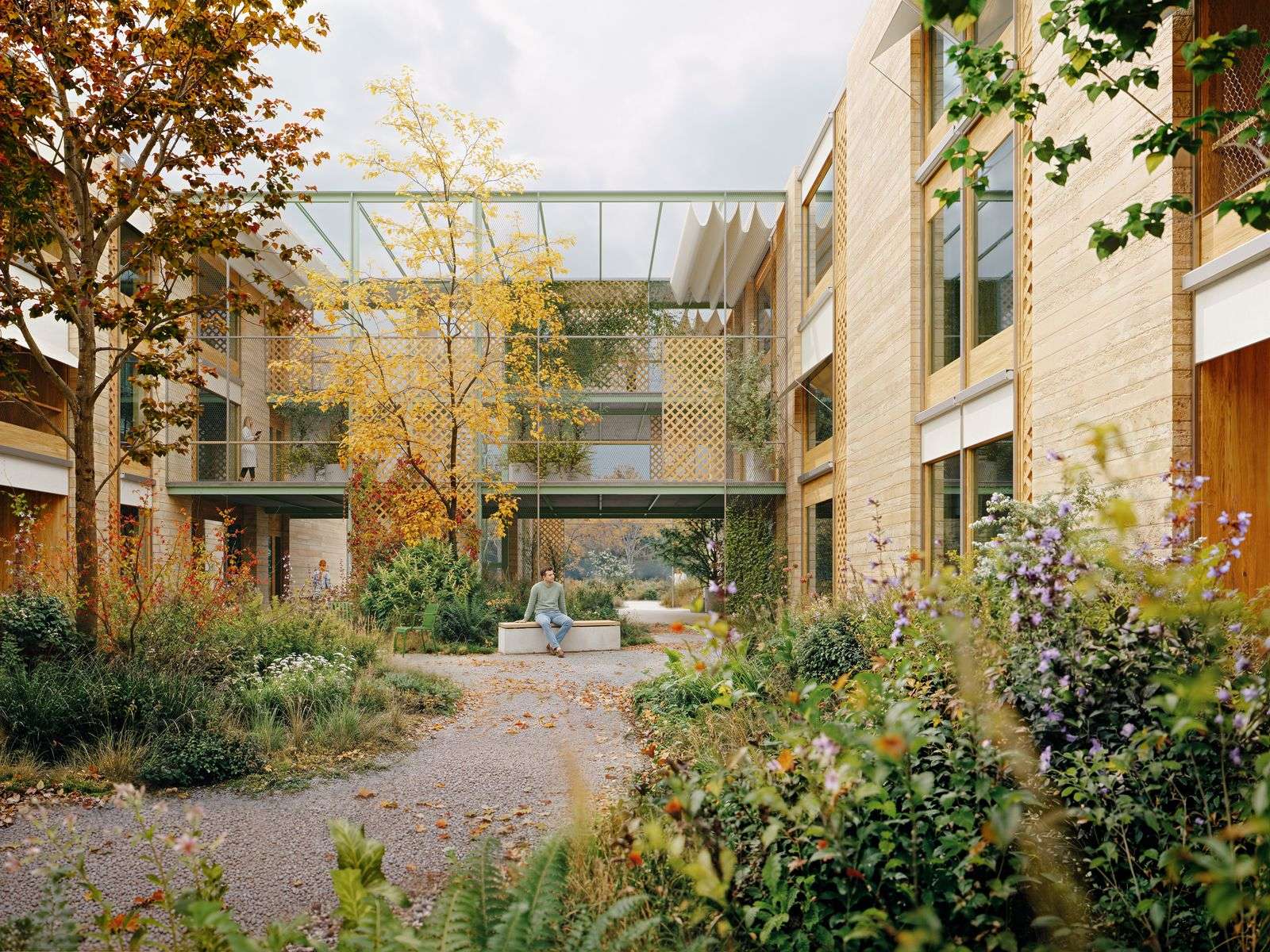
Like a real canopy, the project offers a protective framework. The architecture filters, connects and embraces. It follows the structure of the site and works with the topography. This allows the buildings to remain low and naturally softens the density.
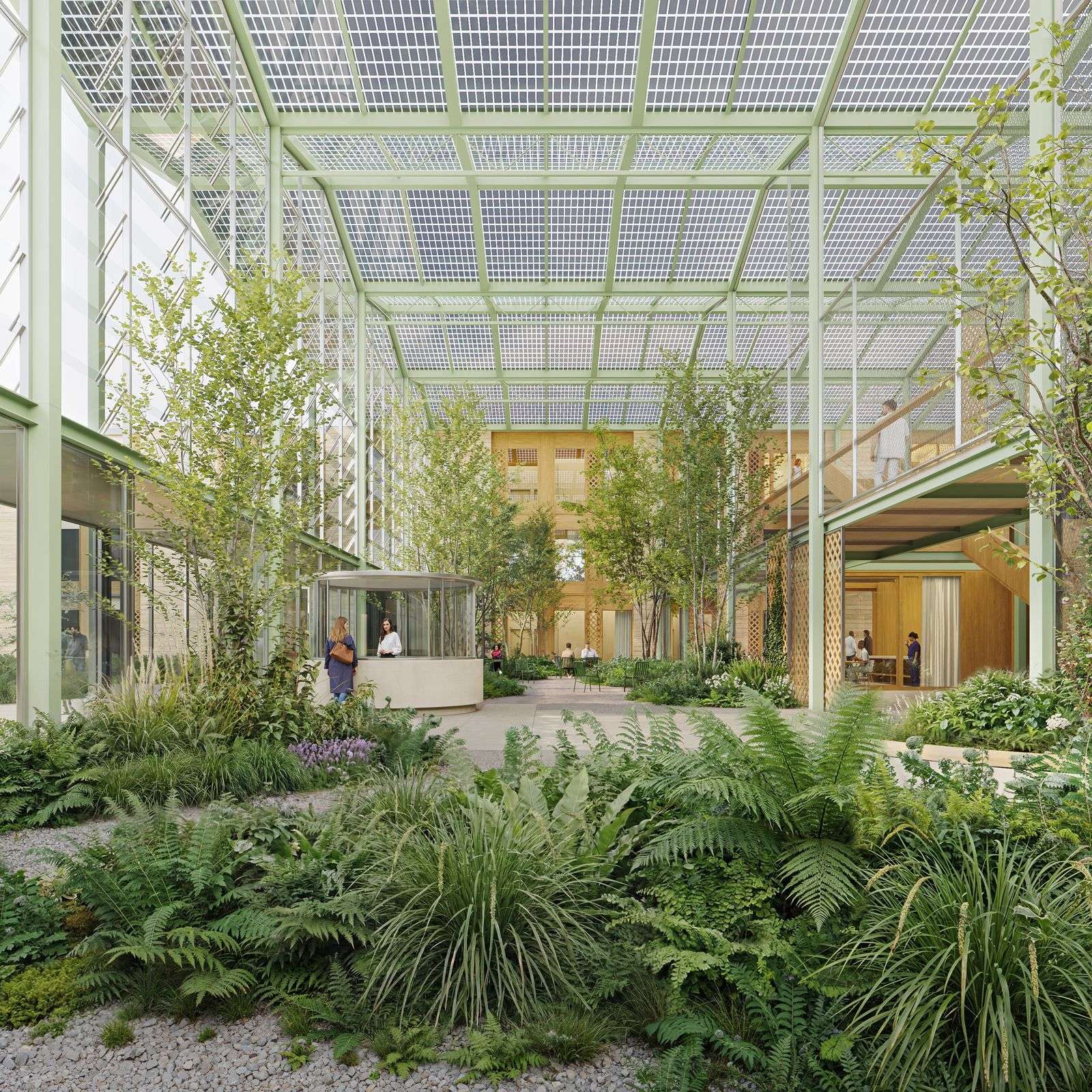
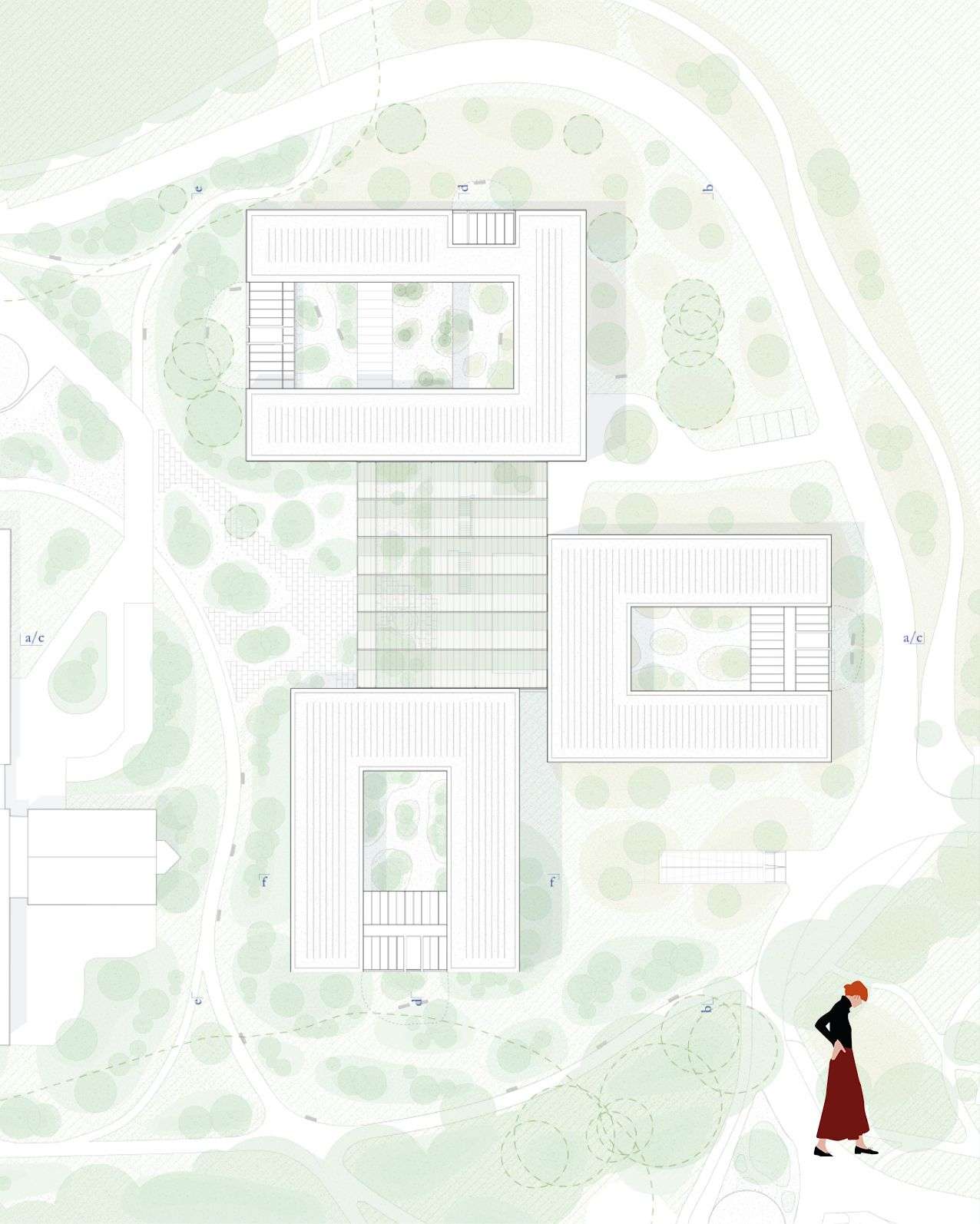
The ensemble is composed of three buildings with a residential scale. Between them, a large winter garden plays a central role. It is at once a connecting space, a welcoming space, a meeting place and a space to breathe. Here, the agricultural and forest landscape enters the heart of the building.
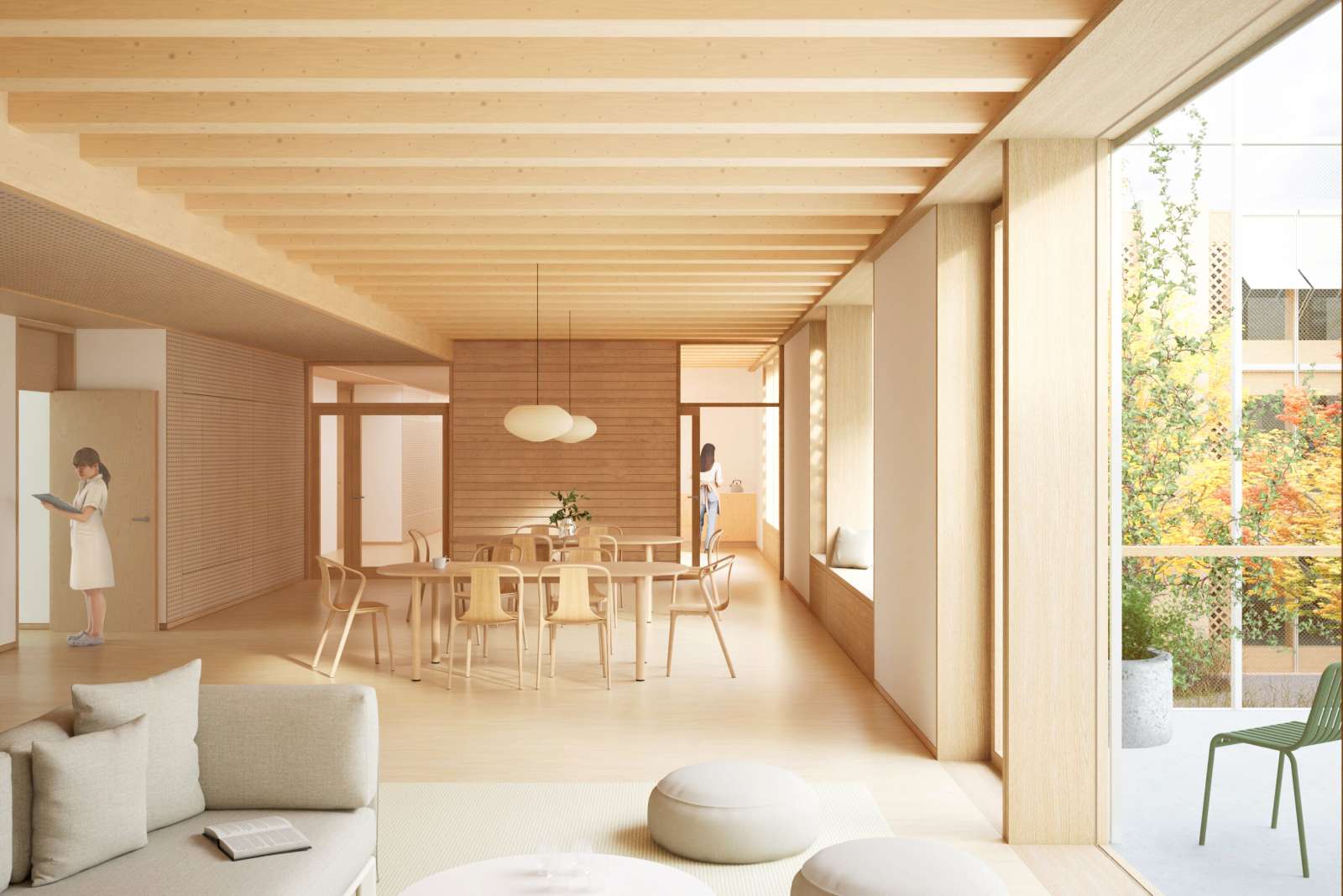
The units are designed as large apartments. They clearly organize the living spaces and the therapeutic spaces. Informal moments of daily life and more structured moments of care can therefore coexist naturally.
Each room opens onto the landscape. In this way, the patient keeps a direct connection with nature, even in the most vulnerable moments.
The project is built around the stories of its different users. These narratives helped us organize the project and design spaces adapted to everyone’s needs, uses and rhythms.
The aim is therefore not only to create a building. The aim is to create an environment. A clear, living and adaptable place. A place that supports its users. A place where every user can find their place and, we hope, refind a little joie de vivre.
The project is further developed with Plant en Houtgoed for the landscape, Lemon Consult for technical systems and sustainability, and Holzprojekt for structural engineering.
Het project Canopée betreft het nieuwe psychiatrische universitaire ziekenhuis van Genève. Het wordt ontwikkeld in samenwerking met ffbk architekten, gevestigd in Basel. Het project stelt een zorgarchitectuur op menselijke schaal voor, waarin leesbaarheid, veiligheid en zachtheid samenkomen.
Zoals een echte canopée biedt het project een beschermend kader. De architectuur filtert, verbindt en omhult. Ze schrijft zich in binnen de structuur van de site en maakt gebruik van de topografie. Daardoor kunnen de gebouwen laag blijven en wordt de dichtheid op een natuurlijke manier verzacht.
Het geheel bestaat uit drie gebouwen met een residentiële schaal. Daartussen speelt een grote wintertuin een centrale rol. Die is tegelijk een verbindingsruimte, een onthaalruimte, een ontmoetingsruimte en een plek om adem te halen. Hier komt het agrarische en bosrijke landschap tot in het hart van het gebouw.
De afdelingen zijn ontworpen als grote appartementen. Ze organiseren de leefruimtes en de therapeutische ruimtes op een heldere manier. Informele momenten uit het dagelijkse leven en meer gestructureerde momenten van zorg kunnen zo op een natuurlijke manier naast elkaar bestaan.
Elke kamer opent zich naar het landschap. Zo behoudt de patiënt een directe band met de natuur, ook op de meest kwetsbare momenten.
Het project is opgebouwd rond de verhalen van de verschillende gebruikers. Deze narratieven hebben ons geholpen om het project te organiseren en ruimtes te ontwerpen die aangepast zijn aan de noden, gebruiken en ritmes van iedereen.
Het doel is dus niet alleen om een gebouw te maken. Het doel is om een omgeving te creëren. Een heldere, levende en aanpasbare plek. Een plek die de gebruikers ondersteunt. Een plek waar iedere gebruiker zijn of haar plaats kan vinden en, zo hopen we, opnieuw een beetje joie de vivre.
Het project wordt verder ontwikkeld met Plant en Houtgoed voor het landschap, Lemon Consult voor technieken en duurzaamheid, en Holzprojekt voor de stabiliteit.
Le projet Canopée concerne le nouvel hôpital universitaire psychiatrique de Genève. Il est développé en collaboration avec ffbk architekten, basé à Bâle. Le projet propose une architecture de soin à échelle humaine, où la lisibilité, la sécurité et la douceur se rencontrent.
À l’image d’une canopée, le projet offre un cadre protecteur. L’architecture filtre, relie et enveloppe. Elle s’inscrit dans la trame du site et s’appuie sur la topographie, ce qui permet de proposer des bâtiments de faible hauteur et d’atténuer la densité.
L’ensemble est structuré par trois bâtiments d’échelle résidentielle. Entre eux, un vaste jardin d’hiver joue un rôle central. Il est à la fois un espace de liaison, un espace d’accueil, un espace de rencontre et un espace de respiration, où le paysage agricole et forestier entre au cœur du bâtiment.
Les unités sont conçues comme de grands appartements. Elles organisent clairement les espaces de vie et les lieux thérapeutiques. Les moments informels du quotidien et les moments structurés du soin peuvent ainsi coexister naturellement.
Chaque chambre s’ouvre sur le paysage. Le patient garde ainsi un lien direct avec la nature, même dans les moments plus fragiles.
Le projet est construit autour des récits de ses différents utilisateurs. Ces narratives nous ont aidés à organiser le projet et à concevoir des espaces adaptés aux besoins, aux usages et aux rythmes de chacun.
L’objectif n’est donc pas seulement de créer un bâtiment. L’objectif est de créer un environnement. Un lieu clair, vivant et adaptable. Un lieu qui accompagne les usages. Un lieu où chaque utilisateur peut trouver sa place et, nous l’espérons, du joie de vivre.
Le projet est développé avec Plant en Houtgoed pour le paysage, Lemon Consult pour les techniques et la durabilité, et Holzprojekt pour la stabilité.
Human context
Interaction
Open-ended